How to Introduce a New Horse to the Herd
If you have ever watched a herd sort out a new arrival, you know it is not a polite process. Learning how to introduce a new horse to the herd is one of those things nobody really prepares you for until you are standing at the gate watching a thousand-pound animal get chased around a pasture and wondering if you made a terrible mistake. We have been there. The good news is that with a methodical approach and some patience, you can get a new horse settled into a herd without a vet bill at the end of it — though you cannot guarantee it entirely, because horses are horses.
The Riding Life is reader-supported. When you buy through links on our site, we may earn an affiliate commission at no extra cost to you.
Start with Quarantine, No Exceptions
Before your new horse gets anywhere near your existing herd, it needs to be isolated. Two to four weeks is the standard, and it is not negotiable. A horse can carry respiratory illness, skin conditions, and other contagious issues without showing obvious signs on arrival day. The stress of transport alone can suppress the immune system and let something dormant surface. You do not want to find that out after the new horse has been grazing fence-to-fence with your herd for a week.
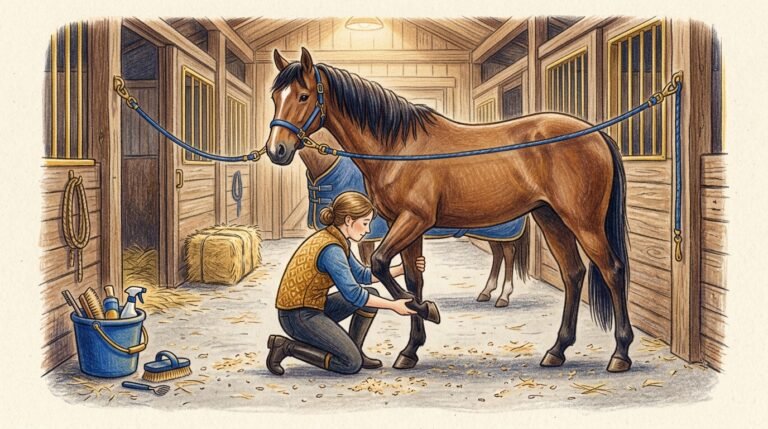
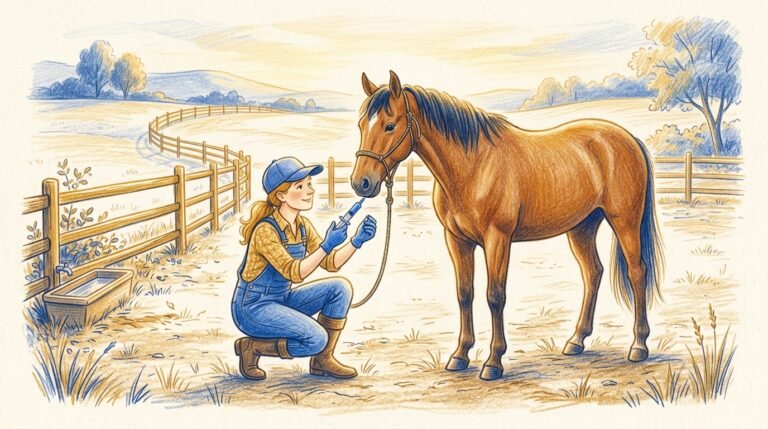
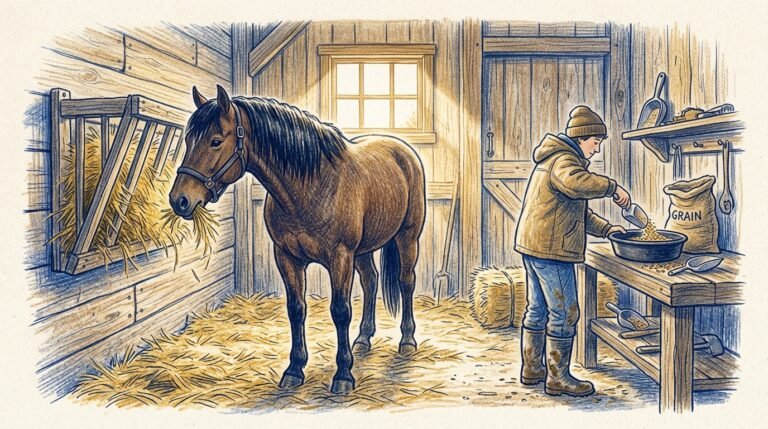
During quarantine, keep the new horse in a stall or a dry lot that does not share a fence line with the main pasture. Use separate buckets, separate tools, and wash your hands between handling. It sounds like a lot, but if you have ever dealt with a barn-wide outbreak of strangles or a round of rain rot that spreads through every horse in the field, you understand why the extra steps are worth it. Check in with your vet about a health check on arrival and confirm the new horse is current on vaccinations and deworming. You can review a solid baseline on our horse vaccination schedule and horse deworming schedule pages if you need a refresher.
Fence Line Introductions Come Before Pasture Turnout
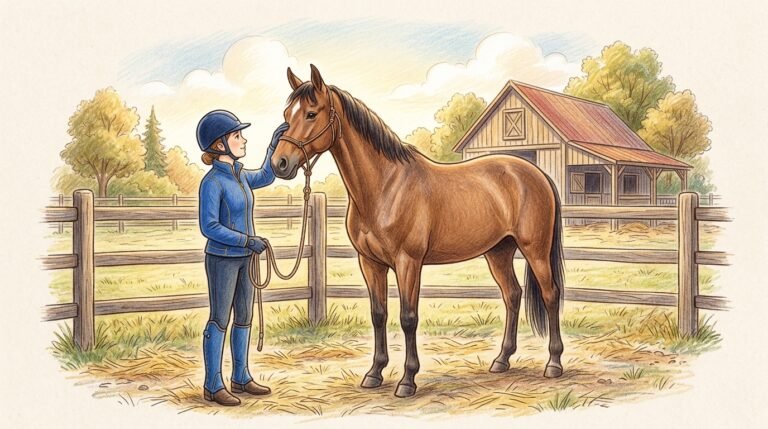
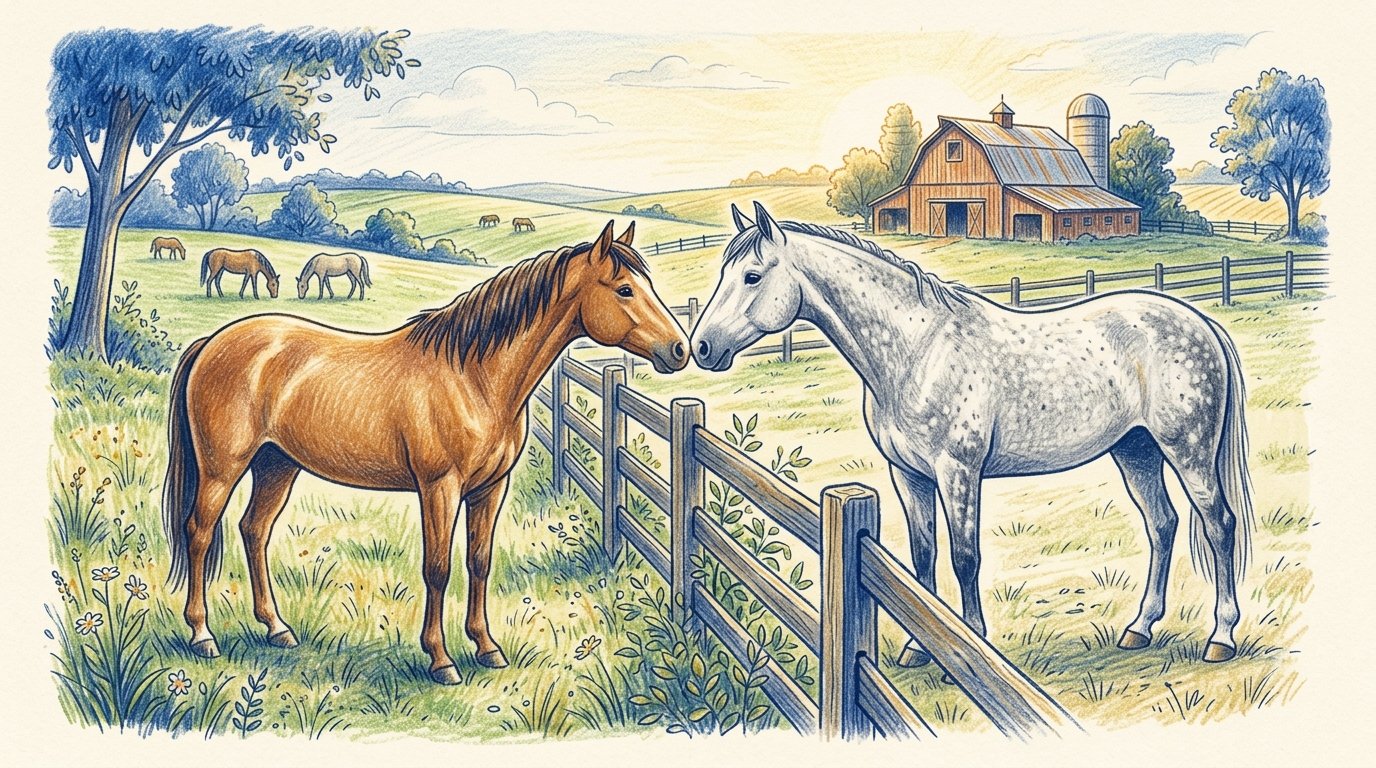
Once quarantine is done and the new horse has been cleared, you do not just open a gate and let everyone figure it out. The next step is fence-line contact — close enough that the horses can smell and see each other, not close enough that they can kick through the fence and connect with something soft.
Set the new horse in a paddock or dry lot that shares a fence with the main pasture. A board fence or a safe pipe panel works better here than a single strand of electric tape. You want horses to be able to approach and retreat without getting tangled or trapped. Leave this arrangement in place for several days, ideally a week or more. Watch what happens. Some horses are curious and calm within a day. Others posture, squeal, and run the fence for the first 48 hours before settling. Both are normal. What you are watching for is a general reduction in agitation over time — you want the novelty to wear off before you put anyone in the same space.
Pay attention to which horses in the existing herd seem most bothered by the newcomer and which seem indifferent. That information matters for how you manage the actual turnout.
How to Introduce a New Horse to the Herd in the Pasture
When you are ready for the actual pasture introduction, timing and setup matter. Do it in the morning, not at feeding time. Horses are more reactive when food is involved, and you do not want a feeding frenzy layered on top of herd dynamics. Make sure the pasture is large enough that horses can get away from each other — a small paddock with limited exit routes is where introductions go wrong fast. Remove any hazards that a horse could back into or get cornered against: low tree branches, tight gate corners, single-strand fence sections.
Start by turning out the new horse with the calmest, most socially stable horse in your herd — ideally one that read as fairly neutral during the fence-line phase. Let those two establish a baseline before you add more horses. If that goes reasonably well after a day or two, add the rest of the herd gradually. Some people add horses one at a time over several days. At a barn with a large herd, that is not always logistically possible, but if you have the flexibility, use it.
Expect some chasing, squealing, and posturing. That is not a crisis; it is herd language. Horses establish hierarchy and it looks alarming to humans watching from the fence. What you are watching for is sustained, targeted aggression toward a horse that cannot escape — a horse getting pinned in a corner and relentlessly kicked at, or a horse that is being cut off from water and hay consistently. That requires intervention. Normal establishing behavior does not.
Remove shoes from horses with known aggression issues before turnout, or at minimum be aware of who is shod and plan accordingly. A shod kick lands differently than an unshod one.
Managing the First Few Weeks After Integration
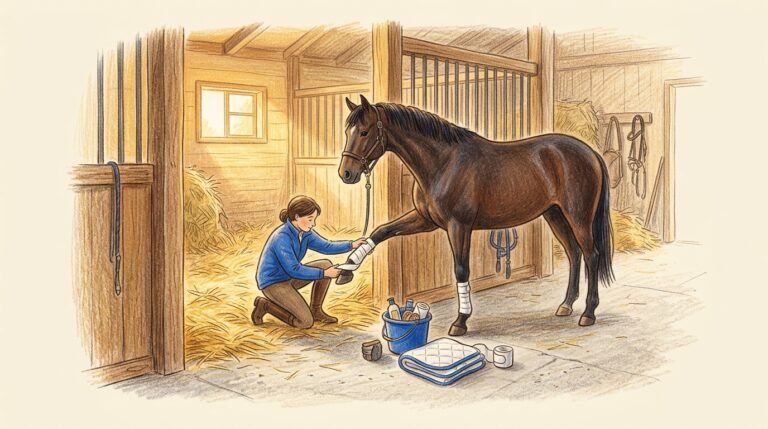
The actual introduction is one day. The adjustment period is weeks. During that stretch, you are monitoring more closely than usual — checking for bite marks, scrapes, and swelling every time you go out. A bite mark that gets infected or a kick that causes a soft tissue injury can happen in the first few weeks when the hierarchy is still being sorted. Check legs and necks carefully at morning feed. If something looks off, do not wait.
Watch hay and water access. A lower-ranked horse can get pushed off both consistently enough to lose weight or get dehydrated before you notice. Spread hay piles so there are more piles than horses — if you have four horses, put out five or six piles spread far enough apart that one horse cannot guard them all. Make sure there is more than one water source if possible.
Understanding what a horse looks like when it is stressed, sore, or being bullied is part of this. Our signs your horse is in pain page walks through the behavioral and physical cues that something is wrong — worth reading before you are trying to figure it out in the moment.
If the new horse is the lowest-ranked animal in the herd — which is common since it is the newcomer — it may lose some weight in the first few weeks from stress and being run off food. Keep an eye on body condition and adjust feeding accordingly. Sometimes a separate feeding setup for the first month is the practical answer.
Special Situations That Change the Calculus
A few scenarios deserve their own mention because they come up often and they are not straightforward.
Mares in season. If your new horse is a gelding being introduced to a herd that includes mares, time the introduction so it does not fall during a mare’s active heat cycle. Herd dynamics get significantly more chaotic around cycling mares, and adding a new horse on top of that creates unnecessary volatility.
A horse coming back from injury or illness. A horse returning to its own herd after a long absence sometimes gets re-introduced almost as a stranger. Do not assume a horse that lived in this pasture six months ago can just go back out. Start with fence-line contact again and watch carefully — the hierarchy may have reorganized in its absence.
Young horses and older horses. A young, high-energy horse being turned out with a senior horse is a combination that requires real thought. Senior horses often have less tolerance for harassment from younger animals, and a persistent youngster can cause an older horse to lose weight and show stress signs. Consider whether the herd composition actually makes sense before you commit to it.
Miniatures and small ponies. If your existing herd includes a mini or a small pony, be aware that a larger, dominant new horse can inadvertently cause real damage to a much smaller animal even in normal herd interaction. Separate safe spaces within the field can help.
For a broader picture of what goes into daily care once your new horse is settled, our horse care basics for beginners page is a solid reference point, especially if you are newer to ownership. And if you want to dig into what herd behavior actually looks like from an equine science perspective, The Horse has thorough coverage of equine social behavior and herd dynamics that goes deep on the research.
Frequently Asked Questions
How long does it take for a new horse to settle into a herd?
Most horses find their place in the herd within two to four weeks, though some take longer depending on the herd composition and the individual horse’s temperament. The first few days are the most volatile. By week three, the hierarchy is usually established and things are notably calmer. Some horses continue to have minor squabbles over resources for a month or two.
Is it normal for horses to chase and bite each other during introductions?
Yes. Chasing, squealing, biting, and posturing are all normal parts of how horses establish hierarchy. It looks dramatic and it can be hard to watch, but it is communication. The line between normal behavior and something you need to intervene in is whether a horse is being trapped and cannot escape, or is being consistently kept from food and water. Open space, multiple hay piles, and more than one water source reduce the stakes significantly.
Can I skip quarantine if the new horse looks healthy?
No. Quarantine is not about how the horse looks on arrival day. Horses can carry contagious illness asymptomatically, and the stress of transport can cause something subclinical to surface days later. Two to four weeks of isolation before fence-line contact is the responsible minimum. If you find out later that a horse in the barn the new horse came from had a respiratory illness, you will be glad you did it.
What do I do if one horse in my herd is relentlessly aggressive toward the new horse?
First, give it more time — some horses take longer to settle than others, and what looks like relentless aggression on day two may be mostly resolved by day ten. If one horse is genuinely targeting the new horse in a way that prevents it from eating, drinking, or moving freely after a couple of weeks, consider whether those two horses should share a pasture at all. Sometimes the answer is separate turnout times or a different grouping. Forcing an incompatible pair to coexist does not make them compatible; it just keeps someone stressed and at risk.
Bringing It All Together
Introducing a new horse to the herd is one of those processes that cannot be rushed without consequences. The horses will sort it out on their own timeline, and your job is to set the conditions so that sorting happens as safely as possible. Quarantine first. Fence-line contact next. Gradual turnout with the right companion. Close monitoring for weeks, not days. Adjust hay, water, and groupings based on what you actually see, not what you hope is happening.
It is rarely clean and it is almost never fast. But done right, you end up with a settled horse that has found its place in the herd, and that is worth the patience it took to get there.
If you want to make sure you have covered every step, grab our free printable new horse introduction checklist — it walks through quarantine, fence-line setup, turnout day, and the first-month monitoring points in one place. And if you are still building out your horse care knowledge, browse the shop for more resources that make barn life a little more manageable.