Horse Care Basics for Beginners: Everything You Need to Know
The Riding Life is reader-supported. When you buy through links on our site, we may earn an affiliate commission at no extra cost to you.
If you are new to the world of horses, understanding horse care basics for beginners is the single most important foundation you can build before anything else. Horses are magnificent, intelligent animals, but they also require consistent daily attention, proper nutrition, safe shelter, and routine veterinary care. Whether you have just purchased your first horse, are leasing one, or are seriously considering it, this guide will walk you through every essential area so you feel confident and prepared from day one in 2026.
Understanding What Horses Need Every Single Day
Horses are not low-maintenance pets. They thrive on routine, and any disruption to their schedule — feeding times, turnout, or stall cleaning — can cause stress or even digestive issues like colic. Before you bring a horse home or commit to caring for one at a barn, you need to understand what daily life with a horse actually looks like.
Every horse needs access to fresh, clean water at all times. An average horse drinks between 5 and 10 gallons of water per day, and that number rises significantly in hot weather or after exercise. Water buckets and automatic waterers must be checked and cleaned daily. Algae, debris, and frozen water in winter are all hazards you will need to monitor.
Horses also need to move. A horse standing in a stall 24 hours a day is an unhappy, unhealthy horse. Daily turnout in a safe, well-fenced pasture is essential for physical and mental wellbeing. If full turnout is not possible, hand walking or arena time becomes a necessary substitute. Understanding this daily rhythm is the heart of horse care basics for beginners.
Feeding and Nutrition Fundamentals
Proper nutrition is one of the most nuanced aspects of horse ownership, and it is also one where mistakes can cause serious harm. The foundation of any horse’s diet is forage — hay or pasture grass. Horses are hindgut fermenters designed to eat small amounts almost continuously throughout the day. A horse should consume roughly 1.5 to 2 percent of its body weight in forage daily. For a 1,000-pound horse, that means 15 to 20 pounds of hay per day at minimum.
Quality matters enormously. Timothy, orchard grass, and alfalfa are common hay types, each with different protein and calorie profiles. A young growing horse, a hard-working performance horse, or a senior horse will have very different nutritional requirements. Partnering with your veterinarian and an equine nutritionist early on will save you a great deal of guesswork.
Grain and concentrated feeds should only be added when forage alone cannot meet the horse’s energy needs. Overfeeding grain is a leading cause of metabolic issues, laminitis, and behavioral problems in horses. Resources like thehorse.com offer science-based nutrition articles that beginners will find invaluable as they learn to read feed tags and balance rations.
Salt and mineral supplementation are also critical. Every horse should have access to a plain white salt block at all times, and most horses benefit from a well-rounded vitamin and mineral supplement tailored to the forage they receive in their region.
Grooming and Hoof Care for New Horse Owners
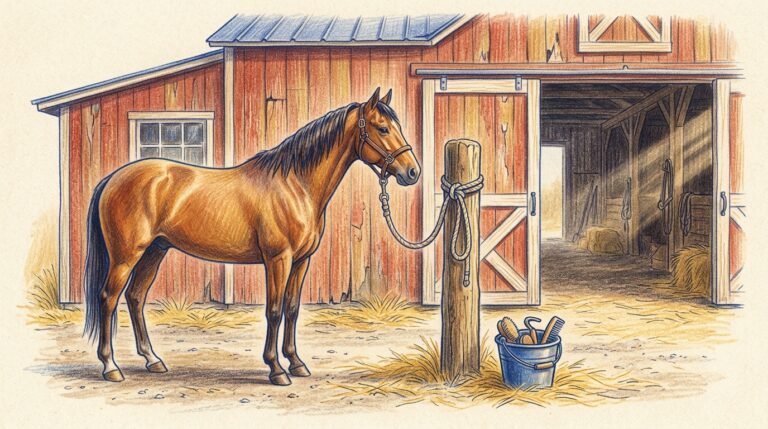
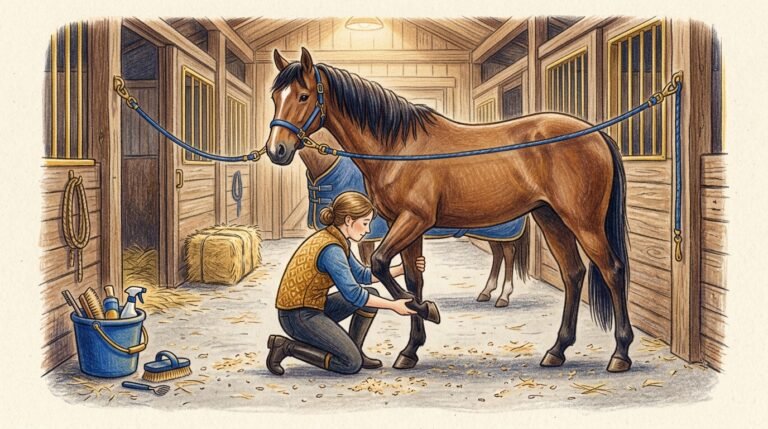
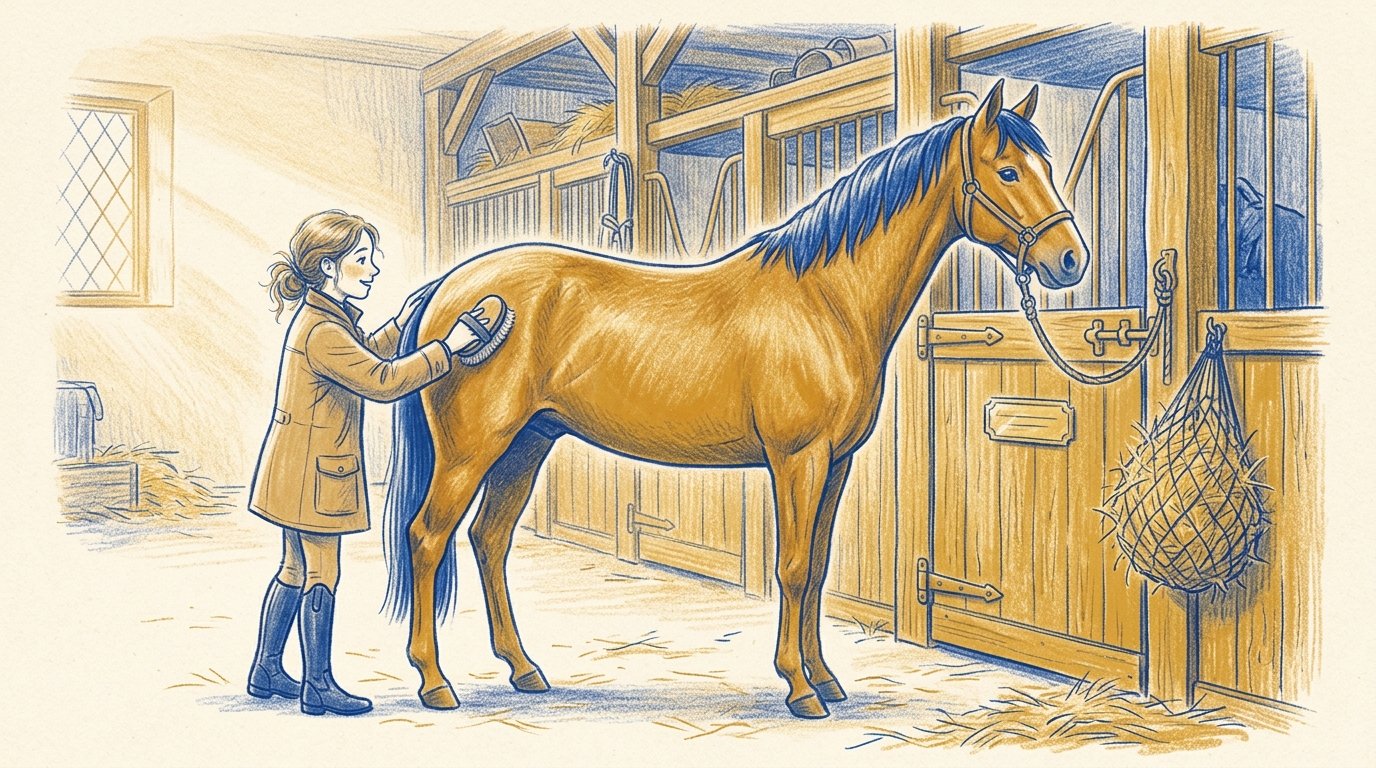
Grooming is about far more than making your horse look polished for the show ring. Daily grooming is a health check, a bonding opportunity, and a way to catch small problems before they become big ones. A standard grooming kit includes a curry comb, stiff brush, soft brush, mane and tail comb, hoof pick, and a finishing cloth.
Begin every grooming session by running your hands over the horse’s entire body. Look for swelling, heat, cuts, rubs from blankets or tack, and any signs of skin conditions like rain rot or ringworm. Catching these issues early makes treatment far simpler and less expensive.
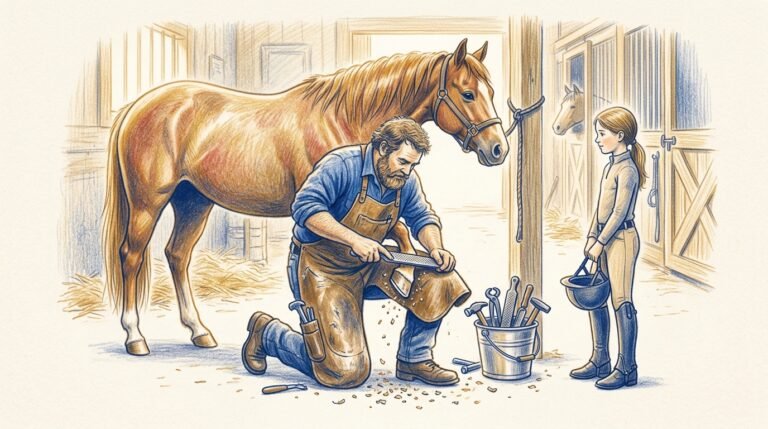
Hoof care is non-negotiable. Horses need their hooves picked out daily to remove packed dirt, manure, and debris that can harbor bacteria and cause conditions like thrush. Beyond daily picking, every horse needs a professional farrier visit every 6 to 8 weeks for trimming and, if the horse wears shoes, reshoeing. Never let this schedule slip. Neglected hooves cause lameness, and lameness is one of the most common and costly problems horse owners face.
If you are still figuring out your full beginner gear setup, it is worth reading about leasing a horse vs buying before you commit, since your grooming and care responsibilities may differ depending on your arrangement with the horse’s owner.
Shelter, Safety, and Stall Management
Horses need shelter from extreme weather, insects, and the elements. This can range from a run-in shed in a pasture to a full barn with individual stalls. Whatever setup you use, safety must come first. Walk your fence lines regularly and look for broken boards, loose wire, protruding nails, or gaps a horse could get a leg caught in. Check your stalls for the same hazards.
If your horse lives in a stall, bedding management is a daily job. Stalls are typically bedded with straw or wood shavings. Wet spots and manure must be removed every day, and the bedding should be banked along the walls to prevent drafts and give the horse a comfortable place to lie down. A clean, dry stall dramatically reduces the risk of respiratory issues, skin problems, and hoof disease.
Blanketing is another topic beginners frequently have questions about. In 2026, the general guidance from most equine professionals is that healthy horses with access to adequate shelter and good body condition can handle cold temperatures without blankets better than many owners realize. Clipped horses, very young or old horses, or horses in very wet climates are the most common exceptions. When in doubt, ask your veterinarian or a knowledgeable barn manager.
Veterinary Care and Preventive Health
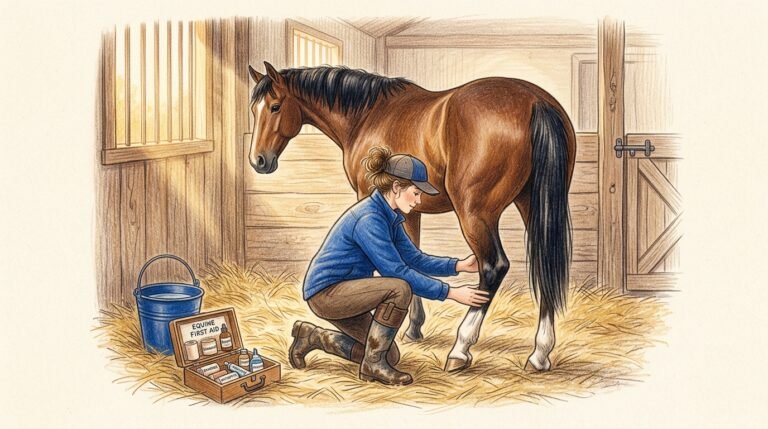
Establishing a relationship with a licensed equine veterinarian before you need one urgently is one of the smartest things a beginner horse owner can do. Routine preventive care forms the backbone of horse care basics for beginners and includes several non-negotiable annual or biannual tasks.
Vaccinations protect horses from serious diseases including Eastern and Western equine encephalomyelitis, West Nile virus, tetanus, rabies, and influenza. Your vet will recommend a vaccination schedule based on your horse’s age, use, and geographic region. Deworming protocols have shifted significantly in recent years from calendar-based to fecal egg count-based treatment, so work with your vet to design a plan rather than simply rotating dewormers randomly.
Dental care is often overlooked by new owners but is absolutely essential. Horses’ teeth wear unevenly and develop sharp points that cause pain, poor feed utilization, and bit resistance. An equine dentist or veterinarian should float your horse’s teeth at least once a year, and some horses need it twice.
For additional peer-reviewed guidance on equine health topics, the Practical Horseman website is an excellent resource trusted by horse owners at every level.
As you get more comfortable with horse care and start riding regularly, you will want to make sure your own safety gear is up to standard. Choosing the right helmet is just as critical as everything you do for your horse, and the guide to the best riding helmet for beginners is a great place to start that research.
Frequently Asked Questions
How much does it cost to care for a horse per month?
Monthly horse care costs vary widely depending on your location and setup, but most beginners should budget between $400 and $1,500 per month. This includes hay, grain, farrier visits, routine veterinary care, and either board fees or the cost of maintaining your own property. Unexpected veterinary emergencies can add significantly to that figure, so an emergency fund is essential.
How many times a day should I feed my horse?
Most horses do best with hay offered at least twice daily, ideally three times, to mimic their natural grazing pattern. Grain meals, if your horse receives them, should also be split into at least two feedings rather than one large meal to reduce the risk of digestive upset and colic.
Can a complete beginner care for a horse on their own?
Yes, but the learning curve is steep and mentorship is invaluable. Boarding your horse at a full-care or partial-care facility while you learn is a practical option that gives you access to experienced barn staff and a support network. Taking riding lessons consistently alongside your horse care education accelerates your knowledge enormously.
What is the most important thing a new horse owner should know?
Horses are creatures of habit and thrive on consistency. Keeping feeding times, turnout schedules, and handling routines as stable as possible reduces stress and prevents many of the most common health and behavioral problems new owners encounter. When something changes in your horse’s behavior or appetite, take it seriously and contact your vet promptly.
Start Your Horse Care Journey with Confidence
Learning horse care basics for beginners does not happen overnight, but every expert horse owner you admire today started exactly where you are right now. By focusing on daily consistency in feeding, grooming, and hoof care, establishing solid relationships with a trusted farrier and veterinarian, maintaining safe and clean living conditions, and leaning on experienced mentors along the way, you are setting yourself and your horse up for a long, healthy, joyful partnership.
The most important step is simply beginning with intention and staying curious. Horses will teach you something new every single day if you pay attention and approach their care with patience and humility. The investment you make in understanding their needs pays dividends in trust, performance, and the kind of quiet connection that makes horse ownership one of life’s truly remarkable experiences.
Ready to make sure you have everything organized from the start? Grab the free printable checklist to keep your daily and weekly horse care routines on track, and head over to the shop to explore gear recommendations curated for beginner equestrians just like you.