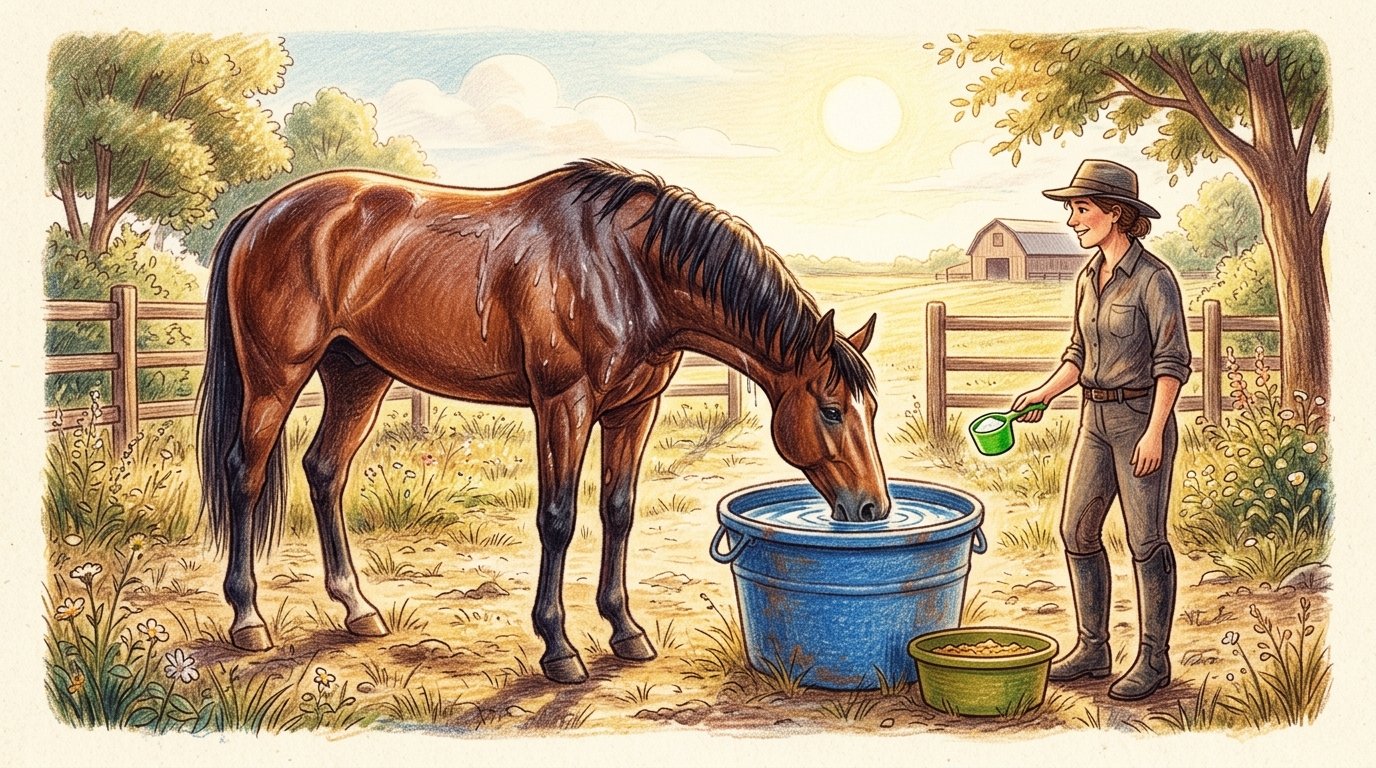
Horse Electrolytes When and How to Use Them
If you have spent any time around horses in the heat of summer, you already know that a horse sweats differently than any other animal you will deal with. Understanding horse electrolytes when and how to use them is one of those practical care pieces that sits right between everyday management and genuine health risk. Get it wrong and you are looking at a horse that won’t drink, won’t recover, or ends up with a vet visit you did not budget for. Get it right and it is just a quiet part of your routine that keeps your horse moving well through the season.
The Riding Life is reader-supported. When you buy through links on our site, we may earn an affiliate commission at no extra cost to you.
Why Horse Sweat Is Different and Why Electrolytes Matter
Horses lose electrolytes through sweat at a rate that most people underestimate. Unlike human sweat, which is relatively low in electrolytes, horse sweat is hypotonic, meaning it is actually richer in electrolytes than the horse’s own blood plasma. Every time your horse works up a lather, it is losing sodium, chloride, potassium, magnesium, and calcium in significant amounts. Plain water replaces the fluid but it does not replace those minerals, and that gap matters.
The core electrolytes your horse needs replenished are sodium, chloride, and potassium. Those three do most of the work. Sodium and chloride together are essentially salt, and they are the primary drivers of thirst, fluid balance, and muscle function. Potassium supports nerve and muscle signaling. Magnesium and calcium round out the picture for muscle recovery and nerve conduction. A horse that is low on these will often show reduced performance, reluctance to drink, sluggish gut sounds, or muscle cramping after work. In serious cases you are looking at tying-up or dangerous dehydration.
The simplest and cheapest electrolyte intervention you can make is a plain white salt block and free-choice loose salt in the feed. Most horses at light work in mild weather will self-regulate with that setup. The conversation about supplemental electrolytes really starts when the work gets heavier, the weather gets hotter, or the horse is traveling and competing.
When to Use Horse Electrolytes
There is no single rule that covers every barn and every horse, but there are clear situations where electrolyte supplementation moves from optional to genuinely important.
Heat and humidity. When temperature and humidity combine to create a high heat index, a horse doing moderate or heavy work can lose ten to fifteen liters of sweat in a single session. That is not a situation that a salt block alone handles. Horses working through summer shows, trail rides, or conditioning programs in hot weather need active electrolyte support during and after the work.
Competition and travel. Hauling is stressful even when everything goes smoothly. A horse that is confined in a trailer, not drinking well on the road, and then asked to perform is already at a deficit before the class starts. A lot of experienced horse people will give an electrolyte dose the evening before a show and again after the classes are done. Stress reduces gut motility and can set up the conditions for colic, and good hydration is one of the practical things you can do to reduce that risk.
Heavy sweating at any temperature. A hard arena session in moderate weather can still produce significant sweat. If your horse comes in soaked and you can see the sweat lines, they have lost electrolytes worth replacing. This applies to lesson horses, trail horses, and show horses equally.
Recovery from illness. Horses coming off a bout of diarrhea, heavy dewormer reactions, or any situation that caused significant fluid loss may need electrolyte support under vet guidance. This is a case where you call your vet first and follow their specific advice rather than reaching for the barn tub of electrolyte paste on your own.
You can read more about recognizing when something is off with your horse at our page on signs your horse is in pain, which covers behavioral and physical cues worth knowing.
How to Give Horse Electrolytes Correctly
The method matters as much as the product. The single most important rule with electrolytes is this: never give them without access to water. Electrolytes work by pulling fluid into the gut and triggering thirst. If your horse cannot drink after receiving a dose, you have made things worse, not better. This sounds obvious until you are at a show, your horse’s water has been knocked over, and you are in a hurry. Check the water first, every time.
Powder in feed. This is the most common barn method and works well for horses that are eating normally. You mix the electrolyte powder into a small grain meal or a wet mash. Wet beet pulp is a common carrier because it adds moisture along with the electrolytes. The downside is that some horses will go off their feed when they smell or taste the supplement, so you may need to start with a small amount and build up.
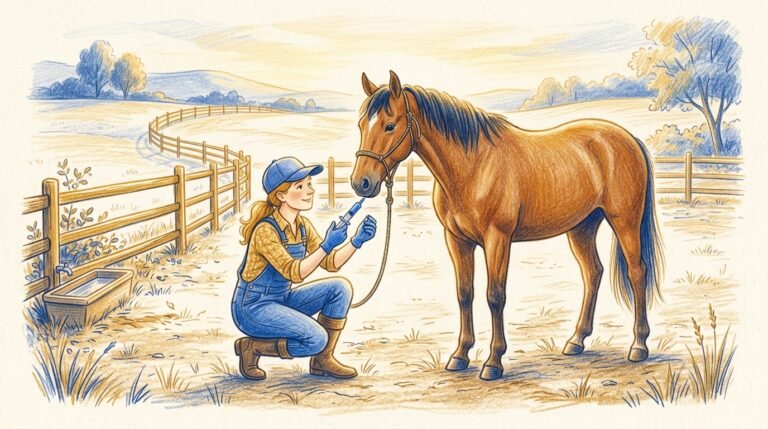
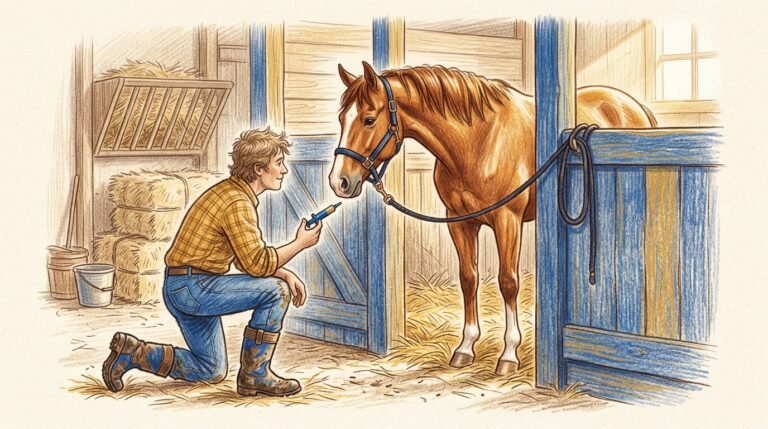
Paste or syringe. Electrolyte pastes are given orally like a dewormer, directly over the tongue. This method is reliable when you need a specific dose fast, like immediately after a hard competition class or before a long haul. The horse cannot sort around it or refuse it in feed. The trade-off is that some horses object to the syringe, and if they spit it out, you have no idea how much they actually received.
Water bucket addition. Some products are designed to dissolve in a water bucket. This works, but only if your horse will actually drink the flavored water. Always offer a second plain water bucket alongside it. Never make the electrolyte water the horse’s only option.
Loose salt in feed daily. One ounce of plain table salt or loose salt per day as a baseline is a standard recommendation for horses at light to moderate work. This is inexpensive, simple, and keeps the horse’s thirst response active year-round. It is not a replacement for a proper electrolyte product when the work is heavy, but it is a solid foundation.
For a broader look at daily horse care management, the barn chore schedule for horse owners is worth bookmarking if you are new to managing a horse’s day-to-day needs.
Products That Actually Work in the Barn
There is no shortage of electrolyte products on the market. Most of the reputable ones work. The differences come down to format, palatability, and what your horse will actually accept.
Farnam Apple Dac Horse Electrolyte Powder is one of the most commonly used powder products at the barn level. It has a mild apple flavor that most horses accept without issue, and it mixes easily into a wet mash. The sodium and chloride levels are solid, and the price point is reasonable for everyday use through a hot season.
Ropin The West Horse Electrolyte Paste works well for the syringe delivery method, especially at shows when you want a clean dose without dealing with feed. It is a format a lot of show families keep in the trailer kit alongside their other supplies.
SmartPak carries several formulas worth looking at, including options targeted at horses with specific palatability issues or those that need added gut support alongside electrolytes. Their platform lets you look at ingredient panels side by side, which is useful if you are trying to choose between products. You can browse their electrolyte lineup at SmartPak Equine.
Beyond the brand, look at the ingredient label. Sodium and chloride should appear first or near the top. Be cautious with products that are mostly sugar with a little salt added. Those are not doing the real work.
Common Mistakes Horse Owners Make With Electrolytes
Giving electrolytes without water access is the big one. We covered it above and it bears repeating because it shows up at shows constantly when people are distracted and rushed.
The second mistake is using electrolytes as a substitute for identifying a real problem. If your horse is not drinking, consistently dull, or losing condition, electrolytes are not the answer to that. That is a veterinarian conversation. Electrolytes support a healthy horse’s recovery from normal work and heat stress. They are not a treatment for underlying illness.
The third mistake is assuming that because it is not hot, the horse does not need electrolytes. A hard session in fifty-degree weather with a fully coated horse can produce significant sweat. Feel the horse, check for sweat under the saddle pad and between the hind legs, and go by what you see rather than what the thermometer says.
The fourth is inconsistency around shows. Some families give electrolytes the day of a show but not the night before or the day after, which misses the windows when the horse is most stressed and most depleted. Build a simple routine around your show schedule and stick to it.
For more on general health management, the common horse health issues page is a practical reference to have in your back pocket. You can also find thorough, research-backed coverage of equine hydration and electrolyte science at The Horse.
Frequently Asked Questions
Can I just use plain salt instead of a commercial electrolyte product?
For everyday maintenance at light work, plain loose salt added to feed is a solid baseline and is what many experienced horse people use year-round. Where commercial electrolytes earn their place is in heavier work, hot weather, competition stress, or travel, when the horse needs a broader mineral profile replaced faster than salt alone provides. Think of loose salt as your daily foundation and commercial electrolytes as your response to higher-demand situations.
How do I know if my horse is actually dehydrated?
The skin pinch test and capillary refill are two quick field checks. For the skin pinch, pinch a fold of skin on the neck and let it go. In a well-hydrated horse it snaps back immediately. A slow return, taking two or more seconds, suggests dehydration. For capillary refill, press on the gum above the teeth and release. Pink should return within two seconds. Tacky gums, a dull attitude, dark urine, and decreased manure production are other signs worth taking seriously. If you are unsure, call your vet.
Should I give electrolytes before or after exercise?
Both, depending on the situation. Before a long haul or a hot competition day, a dose the evening before or the morning of helps prime hydration. After hard work, an electrolyte dose with access to water supports recovery. Some horses get a small dose during a long work session at a show. The key is that water must always be available at each point. Pre-exercise electrolytes without water access before the work starts are counterproductive.
What if my horse refuses to eat or drink anything with electrolytes in it?
Start by trying different delivery methods. If they refuse powder in feed, try paste. If they refuse flavored water, go back to plain water and use the feed method. Some horses have very strong preferences and you just have to find their format. If palatability is genuinely a problem regardless of method, talk to your vet about what is appropriate for your horse’s situation. For horses that are already reluctant to eat or drink at shows, this is worth problem-solving at home before you are standing in a show warm-up ring trying to figure it out under pressure.
The Bottom Line on Horse Electrolytes
Electrolytes are not complicated, but they do require a little intentionality. Salt block out, loose salt in the feed, a commercial electrolyte product on hand for heavy work and show days, and water always available when you give them. That covers most situations for most horses. The horses that get into trouble are usually the ones whose owners either ignored electrolytes entirely during a hot competition season or gave them without the water access piece in place.
Start simple. Build the habit. Pay attention to your horse’s sweat, drinking behavior, and gut sounds after hard work. If something seems off and you cannot explain it with the obvious, call your vet before you start experimenting with supplements.
If you found this useful, grab our free printable checklist to keep your seasonal horse care organized, and head over to the shop for gear and supply recommendations we actually use at the barn. Both are worth having in your corner for the busy show season ahead.