Common Horse Health Issues Every Owner and Barn Family Should Know
The Riding Life is reader-supported. When you buy through links on our site, we may earn an affiliate commission at no extra cost to you.
Common horse health issues are not a maybe. They are a when. If you spend any real time around horses — as an owner, a leaser, a lesson family, a working student — you will eventually be standing in a stall at an inconvenient hour trying to decide if what you are looking at is serious. The horse cannot tell you. The barn manager may or may not be reachable. What you have is what you know. This article is about building that knowledge base before you need it, written from the perspective of someone who has watched a lot of horses go from fine to not fine and back again, and who has learned, the hard way, that early eyes beat late panic every single time.
Colic: The Word No Horse Person Wants to Hear
Colic is not a diagnosis. It is a symptom — abdominal pain — and it covers a wide range of causes, from a mild gas bubble that resolves on its own to a serious displacement or impaction that requires surgery. That range is exactly what makes it so stressful. You can not always tell which kind you are dealing with at the start.
The signs are worth memorizing: a horse that is pawing repeatedly, looking at its flank, lying down and getting up, refusing to eat, or rolling hard is showing colic signs. A horse that is just standing quietly with its head low may also be in pain. Take the gut sounds. A healthy horse has active gut sounds on both sides; a horse with reduced or absent gut sounds on one or both sides warrants a call to your vet, not a wait-and-see.
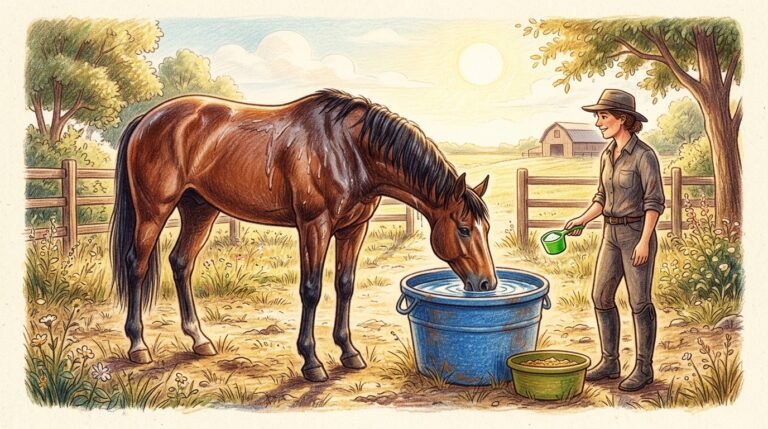
What you do while you wait matters. Keep the horse moving at a slow walk if it is trying to roll aggressively — aggressive rolling risks a twisted gut. Do not let the horse gorge on water immediately, but do not withhold it entirely. Do not give banamine unless your vet instructs you to and you know the weight of the horse, because masking pain can hide a worsening situation. Have your vet’s number in your phone and know the horse’s normal vital signs — heart rate, respiratory rate, gut sounds, gum color — before you ever need them in a crisis.
Prevention is not foolproof but it is real. Consistent feeding schedules, good-quality forage, fresh water at all times, and regular dental care all reduce colic risk. So does turnout. A horse that moves throughout the day keeps its gut moving. For a deeper look at daily horse care fundamentals, our horse care basics guide covers the routines that matter most.
Abscesses: The Thing That Looks Like a Broken Leg
An abscess will make a horse go three-legged lame overnight with no warning, no swelling, no obvious wound, and no explanation. The first time you see it, especially if you are newer to horses, it is alarming. It looks catastrophic. It is almost never catastrophic, but you will not know that until someone who knows what they are looking at tells you so.
A hoof abscess is a pocket of infection that builds up inside the hoof capsule, usually after bacteria gets in through a small crack, a nail hole, a white line separation, or wet-then-dry ground cycles. The pressure is what causes the pain, and that pain can be severe. The horse may not want to put any weight on the leg at all.
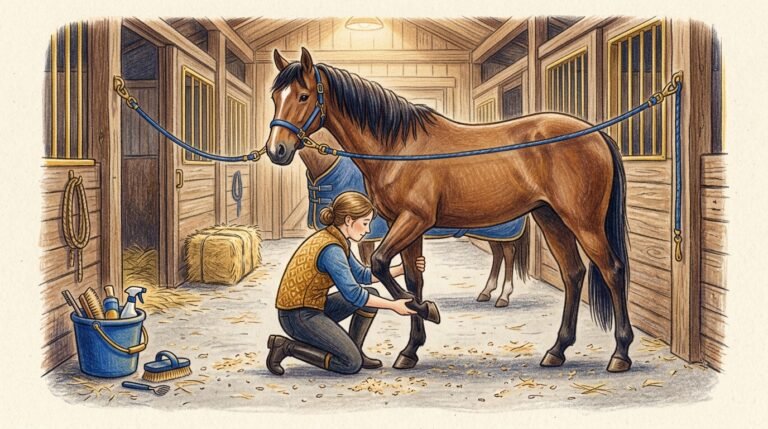
Your farrier can often locate and open an abscess faster than a vet visit, though a vet call is always reasonable when you are not sure what you are dealing with. Once the abscess is drained, the horse typically feels better within hours to days. The hoof is then soaked, packed, and wrapped while it heals. Keeping the hoof clean and dry, and keeping up with regular farrier visits every six weeks, reduces the likelihood of repeat episodes.
Thrush is a related and often overlooked issue. It is a bacterial infection of the frog — the soft triangular structure on the underside of the hoof — that thrives in wet, manure-packed conditions. It smells distinctly bad and causes the frog tissue to become soft and crumbly. Pick feet daily, keep stalls clean, and get horses onto dry footing regularly, and you will head off most thrush before it becomes a real problem.
Lameness: Reading the Horse Before the Vet Arrives
Lameness is one of the most common horse health issues across all disciplines and all ages of horses. It ranges from a subtle unevenness at the trot to an obvious, weight-bearing problem. Your job as an owner or barn family member is not to diagnose it — that is the vet’s job — but to observe it clearly enough to describe it accurately and to document when it started and under what circumstances.
Watch the horse at the walk and trot on a straight line and on a circle on both reins. A lame horse will typically drop its head when the sound leg hits the ground and raise it when the painful leg lands. That head bob tells you which front leg is involved. Hind end lameness is trickier to read — watch the hip; the hip on the affected side will appear to rise higher as that leg pushes off.
Note the footing, the temperature, whether the horse was just worked or has been standing, and whether the lameness came on suddenly or has been building. All of that matters when the vet asks. For horses in active work, a regular lameness evaluation as part of an annual wellness visit is not a luxury. It is how you catch things early.
Resources like The Horse have solid, vet-reviewed information on lameness causes and evaluation that is worth bookmarking for reference.
Skin Conditions, Rain Rot, and the Stuff That Creeps Up Slowly
Common horse health issues are not always dramatic. Some of them just creep in quietly while you are focused on other things. Rain rot — technically dermatophilosis — is a bacterial skin infection that shows up as crusty, matted patches, usually along the back and hindquarters, in horses that have been wet for extended periods. The crusts pull off to reveal raw skin underneath. It is uncomfortable, it spreads, and it is almost always a management issue tied to prolonged moisture without adequate drying time.
Treatment is straightforward: remove the crusts, clean the area with an antimicrobial shampoo, and get the horse dry and out of wet conditions. Medicated shampoos formulated for rain rot work well. The barn community has long relied on products like Absorbine Medicated Shampoo for routine cases, and most resolve cleanly with consistent treatment over a week or two.
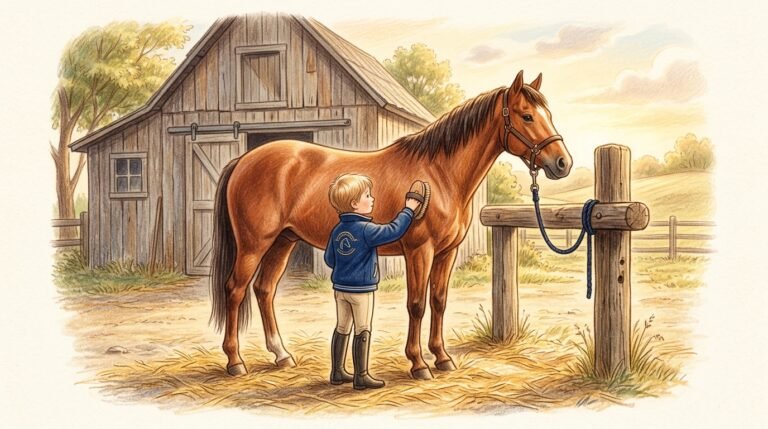
Sweet itch, scratches (also called pastern dermatitis), and fungal infections round out the list of slow-moving skin problems that are easy to miss until they are well established. Get in the habit of running your hands over your horse every time you groom — not just brushing the surface, but actually feeling for heat, bumps, soft spots, and changes in texture. That habit catches more problems early than any single tool or product.
Respiratory Issues and When Breathing Becomes a Warning Sign
Horses are obligate nasal breathers, which means any compromise in their respiratory system is felt quickly in their work and their comfort. A horse with a nasal discharge, a persistent cough, or labored breathing at rest needs attention. The causes range from viral infections like equine influenza and rhinopneumonitis to heaves — now called equine asthma — which is a chronic inflammatory airway condition often triggered by dust, mold, and hay particles.
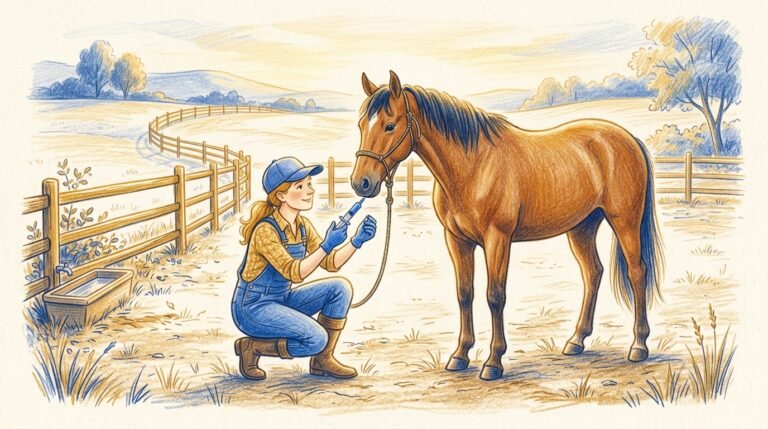
Vaccination is your front-line defense against the infectious respiratory diseases. Work with your vet to establish and maintain a vaccination schedule appropriate for your horse’s exposure level — horses that travel to shows and mix with other horses need more frequent coverage than horses that never leave their home property. The USEF maintains vaccination requirements for competition horses, which gives you a baseline to work from even if you are not currently showing.
For horses with equine asthma, management changes often do as much as medication: soaking hay to reduce dust, switching to hay cubes or pelleted forage, improving barn ventilation, and maximizing turnout. A horse with a chronic cough is not just uncomfortable — it is a horse that cannot perform and cannot recover well. Address it before it becomes a full management crisis.
Frequently Asked Questions
What is the most common horse health issue barn families deal with?
Colic and lameness are consistently the two most common issues. Hoof abscesses are close behind, especially in lesson barn environments where horses are in regular work and dealing with variable weather and footing conditions. Skin conditions like rain rot and thrush show up seasonally in wet climates.
How do I know when a horse health problem is an emergency versus a wait-and-see situation?
If the horse is showing severe pain, uncontrolled bleeding, difficulty breathing, or complete inability to bear weight on a limb, call your vet immediately. For milder symptoms — a slight lameness, a small wound, reduced appetite — monitor closely and call your vet within a few hours or by morning if nothing worsens. When in doubt, call. Most vets would rather answer a question that turns out to be nothing than miss a call that turns into a crisis.
What basic health supplies should every horse owner keep on hand?
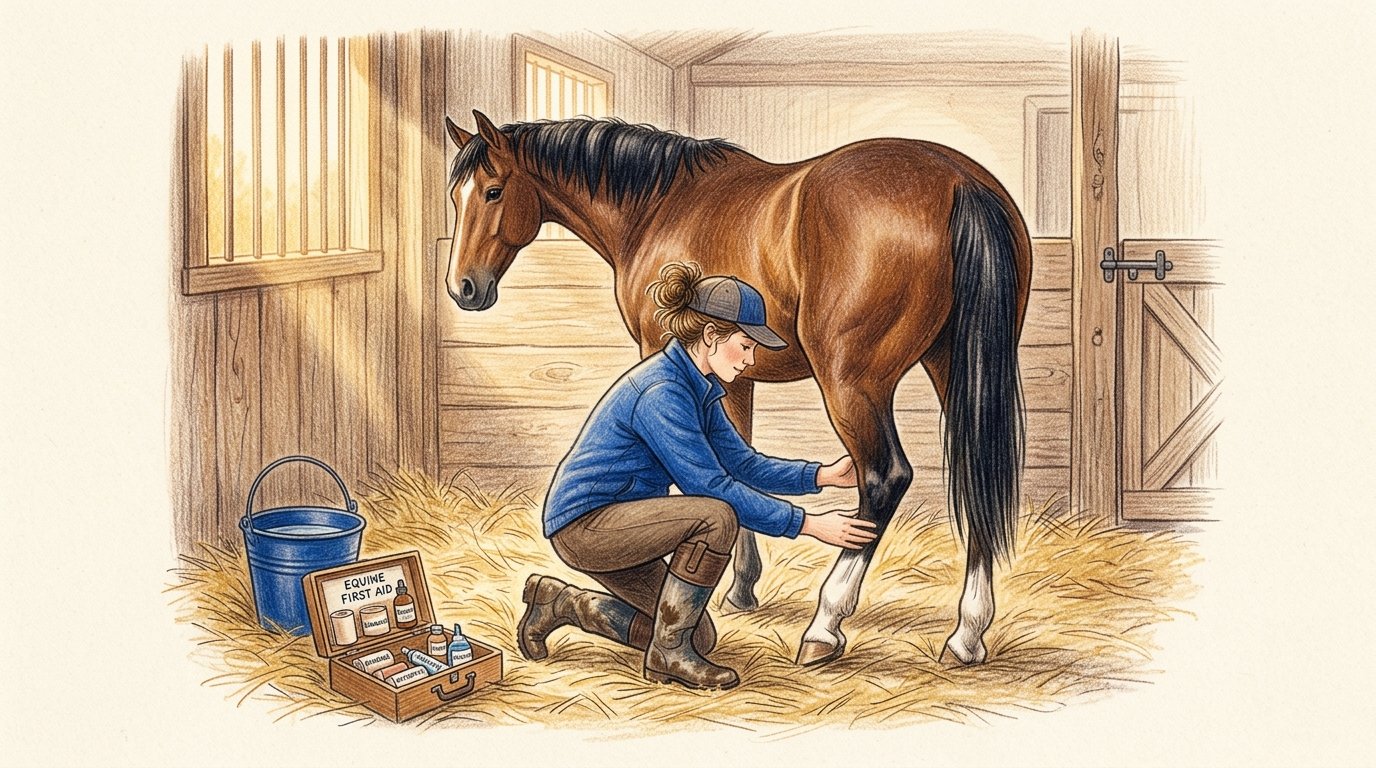
At minimum: a digital thermometer, a stethoscope for gut sounds, wound wash or saline, antiseptic ointment, clean bandaging materials including standing wraps and quilts, vet wrap, and your vet’s emergency number. A Horse First Aid Kit that covers the basics is a reasonable starting point, though most experienced horse owners build their own kit over time based on their specific horse’s history and needs.
How often should a horse see a vet even when nothing seems wrong?
Once or twice a year for wellness visits, dental care, and vaccinations at minimum. More frequently for horses in active competition, horses with known health conditions, and horses over fifteen years old. The farrier every six weeks is not optional — hoof health directly affects soundness and overall wellbeing. These routine costs are part of the real economics of horse ownership.
Keep These Common Horse Health Issues on Your Radar Year Round
No list covers everything, and no article replaces your vet. What this covers is the working knowledge that helps you show up prepared — to catch the subtle signs early, to describe what you are seeing clearly, and to make the call at the right time instead of the wrong one. The horse does not get to tell you when something is wrong. You have to learn to read it.
If you are newer to horse ownership or still building your barn vocabulary, our horse care basics guide is a good place to anchor the fundamentals. And if you are thinking through the bigger picture of what horse ownership actually looks like financially and logistically before you make that leap, our leasing versus buying breakdown is worth a read before you sign anything.
Grab our free printable horse health checklist to keep the key signs and vital ranges on hand in your barn, and browse the shop for gear and resources we actually use and recommend. The more you know before the hard moments, the better you will handle them when they come.