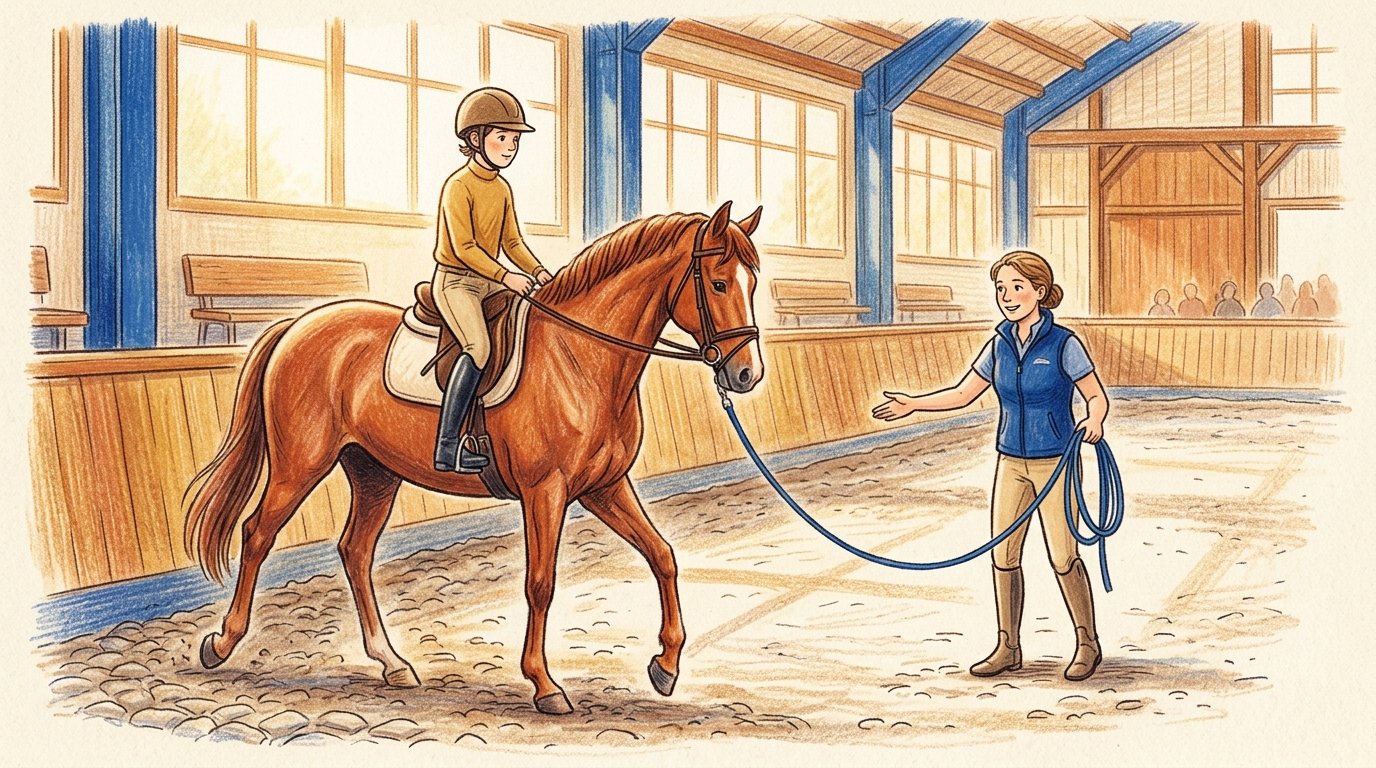
How Much Do Horseback Riding Lessons Cost
The Riding Life is reader-supported. When you buy through links on our site, we may earn an affiliate commission at no extra cost to you.
If you have ever searched for how much do horseback riding lessons cost, you already know the answer can vary wildly depending on where you live, what discipline you ride, and whether you are a complete beginner or a seasoned competitor looking to sharpen your skills. In 2026, the average private lesson in the United States runs anywhere from $45 to $150 per hour, but that range barely scratches the surface of what goes into the final price. Whether you are a parent enrolling your child for the first time, a returning rider getting back in the saddle, or a dedicated horse owner working toward your next show season, understanding what drives lesson costs helps you budget smarter and find the program that truly fits your goals.
Average Horseback Riding Lesson Costs in 2026
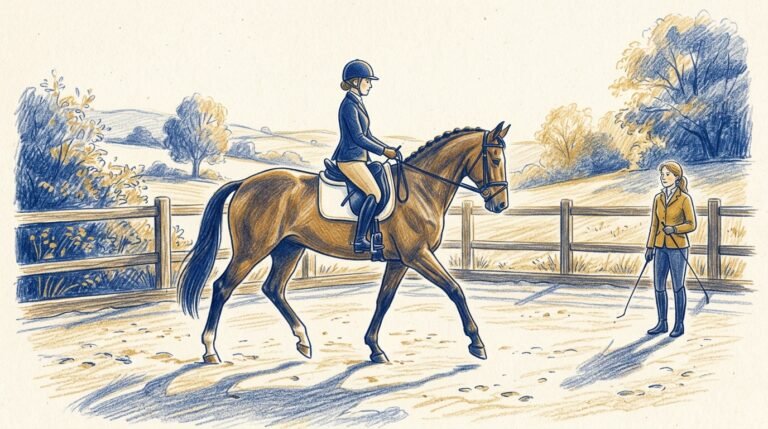
Across the country, lesson prices fall into a few predictable tiers. Group lessons, which typically involve two to six riders at the same time, tend to be the most affordable option and usually run between $25 and $65 per session. Semi-private lessons with one or two students and more individualized attention from the instructor range from $50 to $90. Private one-on-one lessons are the most common choice for serious riders and cost between $65 and $150 on average, though elite trainers at top-tier facilities in areas like Wellington, Florida or Westchester, New York regularly charge $175 to $250 or more per session.
Lesson packages can bring those per-session costs down significantly. Many barns offer monthly packages of four lessons for a bundled rate, saving riders anywhere from 10 to 20 percent compared to paying drop-in prices. Some facilities also offer lease programs where you pay a flat monthly fee that includes a set number of lessons plus access to a school horse during open ride times, which can be an excellent value for students who want to practice between formal lessons.
What Factors Affect the Cost of Riding Lessons
Several key variables explain why two barns in the same county might charge completely different rates. Location is one of the biggest drivers. Barns in rural areas with lower overhead generally pass those savings along to students, while facilities in suburban or coastal markets with high land values and premium amenities typically charge more. Discipline also matters. Hunt seat, dressage, and eventing programs at recognized show barns often carry higher price tags than western pleasure or trail riding schools, partly because of the specialized training and the caliber of horses used.
Instructor credentials play a major role too. A trainer who has competed at the United States Hunter Jumper Association grand prix level or holds a recognized coaching certification will generally command higher rates than someone newer to teaching. That premium often comes with measurable benefits in terms of faster skill development and better show preparation, so it is worth weighing the cost against the long-term value.
The quality and care of the school horses also factor into pricing. Facilities that invest in well-trained, well-kept lesson horses with regular veterinary care, quality feed, and proper shoeing carry higher operating costs that are reflected in lesson fees. This is a good sign, not a red flag. A well-maintained horse is a safer, more responsive partner for learning.
Hidden Costs to Budget for Beyond Lesson Fees
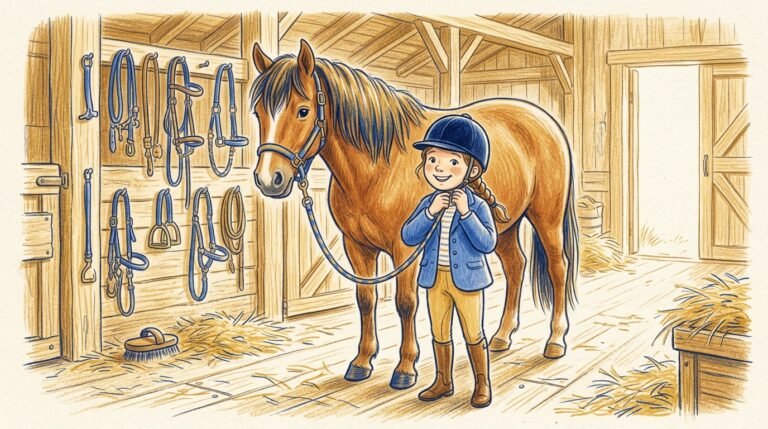
The lesson fee itself is rarely the only expense. Riders who are just starting out need appropriate gear before they ever throw a leg over a horse. A properly fitted safety helmet is non-negotiable, and if you are shopping for your first one, our guide to the best riding helmet for beginners walks you through the most protective and affordable options available in 2026. Footwear is equally important. Most barns require a boot with at least a one-inch heel, and dedicated riding boots offer significant advantages in safety and stability. If you have struggled to find a good fit, our breakdown of the top riding boots for wide calves is a helpful starting point.
Riders who advance past the beginner stage and begin preparing for shows will also need to think about breeches, gloves, show attire, and eventually their own tack. Half chaps are a popular and practical investment for everyday riding, and our guide on how to choose half chaps makes it easy to find the right pair for your discipline and budget. When you add up helmet, boots, half chaps, and a show entry fee or two, your annual riding budget can easily exceed your lesson costs by a wide margin, so planning ahead makes a real difference.
Board and lease fees are another layer to consider if you eventually want to ride a specific horse more than a lesson or two per week. Half leases typically run $200 to $500 per month on top of lessons, while full leases or horse ownership carry significantly larger ongoing costs. For those thinking about buying their own horse and tack, resources like Practical Horseman Magazine offer in-depth guidance on what to expect financially throughout ownership.
How to Find Quality Lessons That Fit Your Budget
Getting the most value from your riding investment starts with asking the right questions before you commit to a program. Ask about the instructor’s background and certifications, how long they have been teaching, what disciplines they specialize in, and how they typically structure lessons for students at your level. A good trainer will be happy to answer these questions and may even offer a trial lesson so you can experience their teaching style before signing a contract or purchasing a package.
Community programs, 4-H clubs, and college equestrian teams sometimes offer subsidized or reduced-cost lessons as a way to grow participation in the sport. Therapeutic riding centers, while primarily designed for riders with disabilities, occasionally have openings in volunteer and community programs that can be a low-cost entry point. Checking with local pony clubs is another option, as Pony Club membership often includes access to clinics and educational events at rates well below private lesson pricing.
If your budget is tight right now, starting with group lessons and working your way up to private sessions once your fundamentals are solid is a proven and financially sensible approach. Many accomplished adult amateurs and even junior competitors spent their early years in group lesson programs and built excellent foundations that served them well when they eventually moved into more intensive training.
Frequently Asked Questions
How much do horseback riding lessons cost for a complete beginner?
Beginner lessons tend to fall on the lower end of the price range, typically between $45 and $75 for a private session or $25 to $50 for a group lesson. Many barns offer introductory packages specifically for new riders that bundle several lessons together at a discounted rate, which is a smart way to get started without a large upfront commitment.
Are horseback riding lessons worth the cost?
For most people who are genuinely passionate about horses and riding, yes. Riding develops physical fitness, coordination, focus, and a deep relationship with animals that is difficult to find in any other sport. The cost reflects not only the instructor’s time but also the significant expense of keeping horses safe, healthy, and well-trained enough to be good teachers for their human students.
Do I need my own horse to take riding lessons?
No. The vast majority of lesson programs provide school horses for students to ride as part of the lesson fee. Owning your own horse is not necessary until you are ready to pursue more serious competition goals or simply want the unique experience of forming a long-term partnership with a specific animal. Many adult amateur competitors ride leased or part-leased horses rather than horses they own outright.
How often should I take riding lessons to make progress?
Most instructors recommend a minimum of one lesson per week for steady, measurable improvement. Riders who can commit to two lessons per week or who supplement lessons with practice rides on a lease horse tend to progress significantly faster. Consistency matters more than frequency in many cases, so showing up reliably once a week will serve you better than sporadic bursts of multiple lessons followed by long breaks.
Your Next Step in the Saddle
Understanding how much horseback riding lessons cost is the first step toward building a sustainable plan that keeps you in the saddle season after season. Whether you are just starting out with group lessons at a local barn or investing in private training with an experienced professional, knowing what to expect at each price point helps you make confident, informed decisions for yourself or your family. The right program is out there, and with a clear budget and the right questions in hand, you will find it faster than you think.
Ready to take the next step? Grab our free printable checklist to help you evaluate barns, compare lesson programs, and track your gear needs all in one place. Then swing by the shop to explore our favorite rider-tested products and resources built for equestrians at every level. Your best riding year yet starts right here.