Top Riding Boots for Wide Calves
The Riding Life is reader-supported. When you buy through links on our site, we may earn an affiliate commission at no extra cost to you.
Finding the top riding boots for wide calves is one of the most common frustrations among equestrians of all levels. Whether you ride English or Western, trail or dressage, the wrong pair of boots can ruin your entire ride before you even get to the mounting block. Wide calf riders have historically been overlooked by mainstream equestrian brands, but 2026 has brought a welcome wave of genuinely accommodating options. This guide breaks down what to look for, which styles hold up best, and how to shop smarter so your boots work with your body instead of against it.
Why Wide Calf Fit Matters More Than You Think
A boot that cuts into your calf does not just feel uncomfortable. It can restrict blood flow, cause fatigue in your lower leg, and even interfere with your ability to give effective leg aids. Riders who compensate for tight boots often develop subtle habit changes that affect their position and communication with their horse. A properly fitted tall boot should allow two fingers of space at the top, should not pinch or bind mid-calf, and should not be so loose that it gaps and loses contact with your leg.
Wide calf measurements vary, but most equestrian brands start offering wide calf options at around 15 to 16 inches of circumference. If you measure above 17 or 18 inches, you will want to look specifically for extra-wide or plus-fit designations. Many brands now offer shaft circumference measurements alongside height, which makes online shopping significantly more reliable. Always measure both calves because they are rarely identical, and size for the larger one.
Top Riding Boots for Wide Calves in 2026
The market in 2026 has expanded considerably, with several standout options making life easier for wide calf riders across disciplines. Here is a breakdown of the categories and styles that consistently earn high marks from riders with larger calves.
Tall Field Boots with Adjustable Shafts: Brands like Dublin and Ariat have led the charge in offering tall field boots with zippered or lace-up shafts that expand generously. The Dublin Pinnacle boot, for example, has a rear zip and a gusset panel that allows several extra inches of circumference without sacrificing structure. Ariat’s Heritage line includes wide calf variations that are particularly popular for hunters and jumpers. These boots provide the clean look required for the show ring while offering real-world wearability for wide calf riders.
Dressage Boots with Wide Calf Options: Traditional dressage boots have a straighter, stiffer shaft that can be punishing for wide calves. However, brands like Pikeur and Cavallo now offer custom and semi-custom sizing that lets you specify both height and circumference. If you are shopping off the rack, look for boots labeled with circumference measurements. Some quality options from Dover Saddlery offer dressage silhouettes with wide calf sizing built into standard collections, which makes them accessible without a full custom price tag.
Western Boots for Wide Calves: Western riding has a long tradition of pull-on boot styles that naturally accommodate a range of calf widths thanks to their wider shaft openings. Brands like Laredo, Justin, and Corral offer wide calf or wide shaft options that give trail riders, pleasure riders, and ranch hands a comfortable and attractive option. Look for boots with shafts measuring at least 16 inches in circumference and consider styles with a slight stretch panel for added flexibility during long rides.
Paddock Boots with Half Chaps: For many wide calf riders, the most practical solution is a quality pair of paddock boots paired with wide calf half chaps. This combination gives you the look of a tall boot while solving the fit problem entirely. Because half chaps are sized separately, you can dial in the circumference independently from the boot. If you are new to this approach, check out our detailed guide on how to choose half chaps so you know exactly what to look for in materials, closures, and sizing.
Materials and Features That Make a Difference
Not all wide calf boots are built the same, and the materials used in construction have a big impact on both comfort and longevity. Leather remains the gold standard for tall boots because it molds to your leg over time, but it requires consistent care and break-in time. Synthetic and microfiber options have improved dramatically and tend to have more natural stretch from day one, which is a genuine advantage for wide calf riders who want comfort immediately.
Look for the following features when shopping for wide calf riding boots in 2026:
Rear or side zipper with a gusset: A gusset is a panel of elastic or stretch material that expands the shaft opening. Without one, even a zipper boot can still be too snug across the widest part of your calf.
Stretch panels: Many brands now incorporate stretch fabric panels along the back or sides of the shaft. These panels can add anywhere from one to three inches of circumference and make a dramatic difference in comfort.
Anatomical footbed: Wide calf riders often stand longer in the barn and walk more ground. An anatomical footbed with arch support makes all-day comfort possible whether you are riding or doing barn chores.
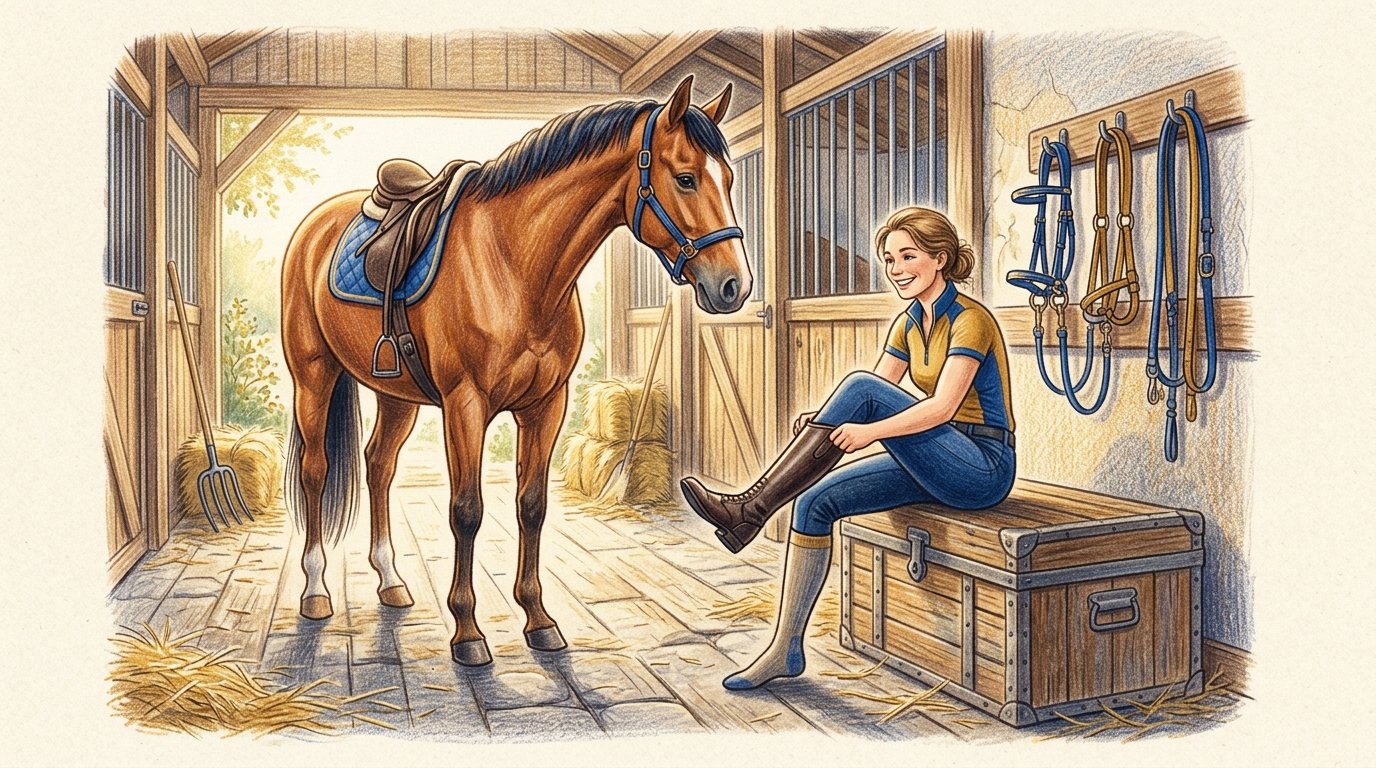
Pull loops or easy-entry design: Wide calf boots can be tricky to get on and off. Pull loops at the top of the shaft, combined with a smooth lining inside, make the process much less of a workout.
For those interested in exploring a wide range of current options, SmartPak Equine offers a well-curated selection of wide calf boots with detailed sizing charts and helpful customer reviews that reflect real rider experiences.
How to Measure Your Calf for the Perfect Boot Fit
Accurate measurement is everything when shopping for wide calf riding boots. A measuring tape and five minutes are all you need. Stand with your weight evenly distributed and your leg slightly bent as if you were in the saddle. Measure the fullest part of your calf, which is typically about four to six inches below the knee. Then measure your height from the floor to the bend of your knee for shaft height. Write both numbers down and compare them carefully against each brand’s specific sizing chart rather than assuming standard sizing translates consistently across brands.
If you are shopping in person, wear the riding socks you actually ride in. Thin dress socks will give you a false sense of fit. Also walk around and bend your knee several times to make sure the shaft does not pinch or restrict your movement. Sit down and simulate a posting trot motion to test comfort through a range of leg positions. If you feel restriction anywhere during this test, the boot is not the right fit no matter how good it looks.
Frequently Asked Questions
What calf circumference is considered wide for riding boots?
Most equestrian brands begin their wide calf designations at around 15 to 16 inches of circumference. Anything above 17 inches is typically considered extra-wide, and you may need to seek out brands with custom or semi-custom sizing to get a comfortable and secure fit.
Can I stretch leather riding boots if they are too tight in the calf?
Yes, leather boots can be stretched professionally by a cobbler or with boot stretching products. However, the amount of stretch achievable is limited, usually one to two inches, and the process works best for boots that are only slightly too snug. If a boot is significantly too tight, stretching is not a reliable solution and you are better off finding a wide calf specific style.
Are paddock boots with half chaps a good alternative to tall boots for wide calf riders?
Absolutely. Many riders with wide calves find the paddock boot and half chap combination more comfortable and easier to fit than tall boots. Since the two pieces are sized separately, you can optimize fit for both your foot and your calf independently. The combination also tends to be more affordable than a quality pair of tall boots.
Do wide calf riding boots work for showing in 2026?
Yes. Most modern wide calf tall boots, particularly those with rear zippers and clean silhouettes, meet the appearance standards required for recognized shows. Always check the specific dress code requirements for your discipline and organization. For English disciplines, the USHJA publishes current attire guidelines that can help you confirm your boot style is appropriate for competition.
Finding Your Perfect Pair and Next Steps
The search for the top riding boots for wide calves no longer has to feel like a compromise. Whether you are a seasoned competitor or a barn family member heading out for weekend trail rides, there are genuinely great options available in 2026 that combine function, fit, and style. Start with accurate measurements, prioritize brands that publish specific calf circumference data, and do not be afraid to try the paddock boot and half chap combination if tall boots have always been a struggle.
If you are just getting started in the saddle, you might also find our guide on the best riding helmet for beginners helpful as you build out your essential gear collection. Dressing for comfort and safety from head to toe makes every ride more enjoyable and sets you up for long-term success in the saddle.
Ready to simplify your gear decisions even further? Grab our free printable boot fitting checklist to take with you when you shop, and be sure to explore our shop for more rider-approved tools and resources designed to make your equestrian life easier. Your perfect fit is closer than you think.